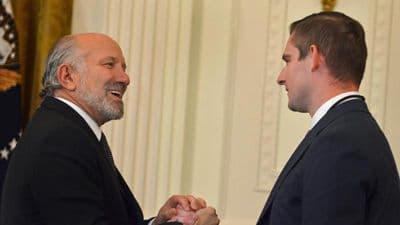
Senator Richard Blumenthal, the lead Democrat on the Senate’s Permanent Subcommittee on Investigations, sent a formal request to Cantor Fitzgerald’s chairman, Brandon Lutnick, seeking comprehensive records of the firm’s collaboration with stablecoin provider Tether. The request emphasizes how Cantor monitors Tether’s adherence to banking and sanctions regulations and asks for all communications involving former Cantor chief Howard Lutnick that reference Tether, even after his departure from the firm.
Scope of Cantor’s Investment and Earnings
Cantor acquired a five-percent ownership interest in Tether during April 2024 and also serves as custodian for a sizable portion of the stablecoin’s U.S. Treasury-bill holdings, which total tens of billions of dollars. The senator notes that the estimated value of Cantor’s stake has surged from roughly $600 million to about $10 billion since the previous administration took office, and that Howard Lutnick personally received more than $250 million in that timeframe, including a $192 million distribution from Cantor.
Allegations of Sanctions Evasion
Blumenthal’s inquiry follows a subcommittee report that identified Tether’s USDT token as a conduit for Iran’s shadow-banking network. He has urged the Treasury Department and the Justice Department to examine possible violations of sanctions law. Tether responded that it has cooperated with law-enforcement agencies for years and reported freezing close to $550 million of Iran-linked USDT transactions this year.
History of the Partnership and Further Requests
The relationship between Cantor and Tether began in 2021 when Cantor started safeguarding a segment of the stablecoin’s Treasury-bill reserves. Howard Lutnick, then chairman and CEO of Cantor, negotiated the 2024 equity investment. After his confirmation as commerce secretary in February 2025, Howard stepped down, and his sons Brandon and another son assumed the chairman and vice-chairman roles, respectively. Beyond financial disclosures, the senator is asking for details about Howard Lutnick’s divestiture from Cantor, any loans or financing Tether may have extended to his family, whether Cantor conducts independent audits of Tether, if the firm ever considered ending the partnership, and what steps have been taken to probe allegations of illicit finance.
Why it matters
The probe highlights growing scrutiny of the intersection between traditional finance firms and cryptocurrency stablecoins, especially where potential sanctions breaches intersect with national-security interests. The outcome could shape how banks and custodians engage with digital-asset issuers and may prompt tighter regulatory oversight of stablecoin reserve management.