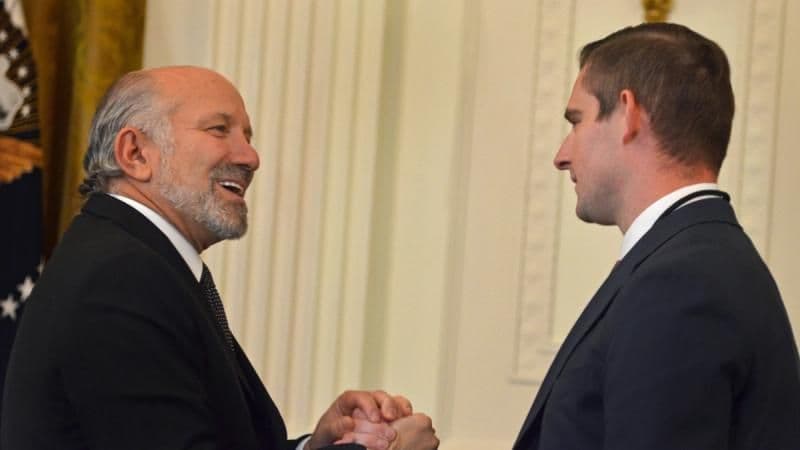
Senator Richard Blumenthal, the leading Democrat on the Senate Permanent Subcommittee on Investigations, mailed a formal request to Brandon Lutnick, chief executive of Cantor Fitzgerald. The letter seeks a detailed account of the financial firm’s partnership with Tether, the world’s largest stablecoin issuer, and the measures Cantor has taken to monitor the relationship.
Focus on Illicit Finance Allegations
Blumenthal’s inquiry centers on claims that USDT has been employed in illicit financial networks, including Iran’s shadow-banking system and attempts to evade Russian sanctions. He asked Cantor to outline any internal reviews, banking safeguards, and compliance steps taken to detect and prevent such misuse. The senator also highlighted that, despite Tether’s public assertion of operating out of El Salvador, the majority of its assets are held under Cantor’s custodianship in the United States.
Political Landscape and Potential Power Shift
The investigation unfolds against a backdrop of shifting congressional dynamics. Current prediction-market data from Kalshi places the probability of a Democratic Senate majority at 61%, while Polymarket estimates a 64% chance. In the House, both platforms show odds above 90% for a Democratic takeover. Should Democrats secure a majority, the subcommittee could gain subpoena authority, allowing it to compel testimony and documents from both Cantor and Tether.
Responses and Next Steps
Neither Cantor Fitzgerald nor Tether issued immediate comments to requests for comment. The lack of a public response leaves the specifics of their compliance programs and any internal investigations undisclosed. The senator’s letter marks the latest in a series of congressional efforts to scrutinize stablecoin operations, following earlier concerns raised by lawmakers such as Senator Elizabeth Warren.
Why it matters
Understanding how major stablecoins are backed and safeguarded is critical for regulators, investors, and the broader financial system. Cantor’s custodial role places it at the heart of the U.S. stablecoin infrastructure, and any lapses in oversight could expose the market to sanctions-related risks and illicit activity. The outcome of the Senate investigation, especially if bolstered by future subpoena power, may shape forthcoming regulatory frameworks for digital assets and influence how stablecoin issuers manage reserve holdings.