Bitcoin surged past the $83,000 mark after briefly slipping below $81,000, breaking away from a broader risk-off mood in Asian equities and U.S. technology futures.
Price action
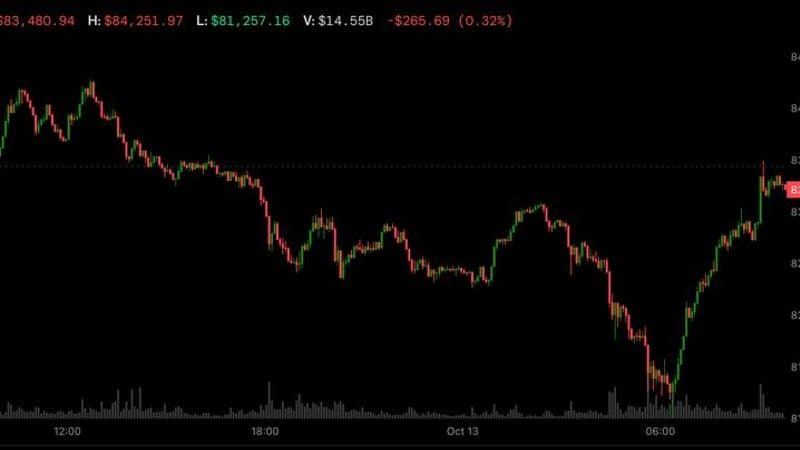
The leading cryptocurrency rallied to roughly $83,700, erasing an early decline that had taken it under $81,000. The rebound was mirrored by other major tokens, with Ether climbing from a five-day low, XRP moving up after a three-week trough, and Zcash and Solana showing similar recoveries.
Market backdrop
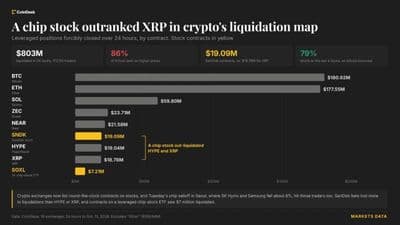
South Korea’s main index dropped more than 6% intraday, sinking below the 6,000 level for the first time since late July. The decline was driven primarily by semiconductor giants Samsung Electronics and SK Hynix, each losing about 8% and extending losing streaks to five days amid worries over AI-related valuations and rising competition from Chinese memory-chip producers. In Hong Kong, the Hang Seng slipped modestly, while Nasdaq futures fell 0.6%, extending a prior decline in the tech-heavy index.
Oil prices remained high, with WTI near $92.70 a barrel after rebounding from sub-$90 levels, and Brent hovering around $106. Ongoing geopolitical tensions in the Middle East and concerns about shipping routes have kept energy markets volatile, adding inflationary pressure that could prompt further Federal Reserve rate hikes—an environment traditionally challenging for crypto assets.
Outlook and CPI focus
The next catalyst for traders is the U.S. consumer price index scheduled for Thursday. Market participants expect institutional investors to use derivatives to hedge rather than cut crypto exposure, maintaining core positions while seeking downside protection. Such behavior suggests confidence in cryptocurrencies as a distinct asset class capable of delivering returns despite heightened risk.
Why it matters
Bitcoin’s ability to recover quickly from a sharp dip highlights its resilience amid fluctuating equity markets and commodity price shocks. The decoupling from Asian chip stock weakness and the anticipation of inflation data underscore the growing sophistication of institutional participants, who are likely to manage risk through hedging rather than abandoning crypto holdings entirely.