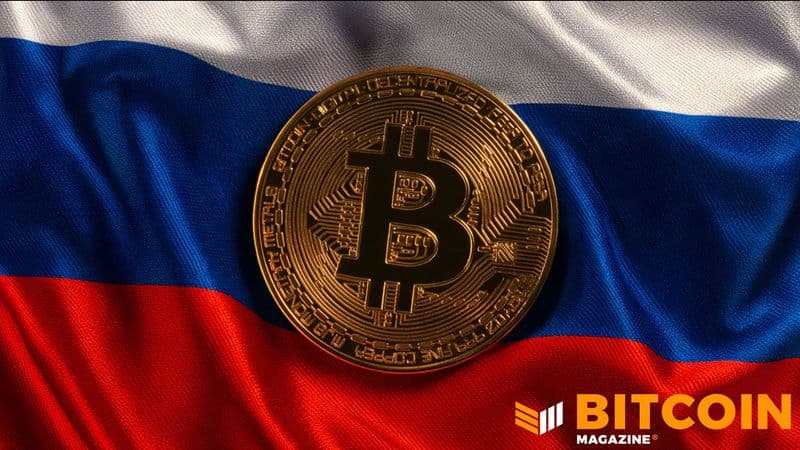
The Moscow Exchange, Russia’s largest trading venue, has entered a testing phase for Bitcoin transactions and aims to open the market to its 40 million clients by December.
Testing Phase and Expected Rollout
Senior Managing Director for Sales and Business Development Boris Blokhin confirmed that trial operations commenced a week ago with professional participants. The exchange plans to move from testing to full-scale trading later this year, contingent on the outcomes of the current pilot.
Regulatory Context
The initiative follows the enactment of Russia’s digital-currency and digital-rights legislation in September, which codifies the framework for crypto activities. While the use of cryptocurrencies for payments remains prohibited, the law distinguishes between qualified and unqualified investors. Unqualified participants may purchase Bitcoin and stablecoins up to a yearly cap of 300,000 rubles (about $3,560) through a single intermediary, whereas qualified investors face no such limits and can trade any listed digital asset on exchanges or over-the-counter markets.
Infrastructure and Partnerships
Trading will be processed through the exchange’s existing systems, including brokers and trust managers. A settlement digital depository will serve as the custodial partner, allowing market participants to open accounts for holding the assets. No additional licences are required for the exchange to commence crypto trading under the current legal regime.
Role of Major Financial Institutions
Sberbank, Russia’s largest bank, recently received approval from the central bank to provide Bitcoin custody services. This development signals growing institutional support for crypto services within the country’s regulated environment.
Why it matters
The Moscow Exchange’s move positions Russia’s primary market as a gateway for domestic investors seeking exposure to Bitcoin, aligning with the government’s effort to channel crypto activity into a supervised framework. By leveraging existing trading infrastructure and partnering with a digital depository, the exchange can offer a regulated avenue for qualified investors while maintaining the state’s control over broader usage.
The launch may also influence how other Russian financial entities approach digital assets, potentially expanding the ecosystem of compliant crypto services across the nation.