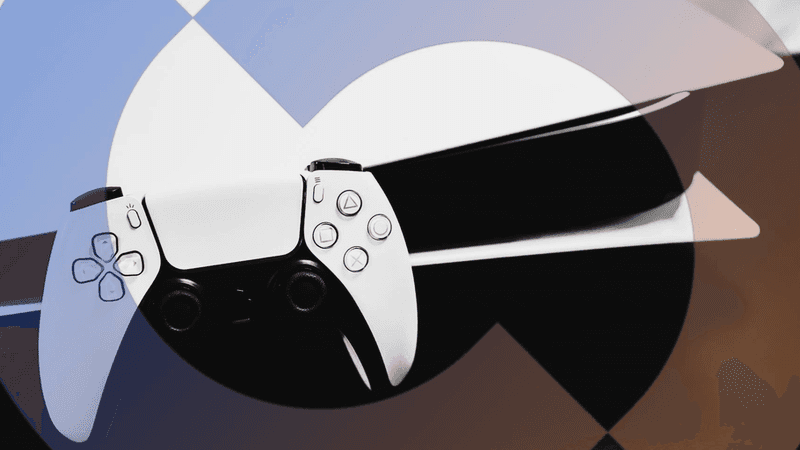
Sony has announced that it will cease production of new physical game discs for its consoles starting in 2028. The company argues that digital downloads are the future and that owning a copy is unnecessary when the content can be accessed online.
Pushback from industry veterans and gamers
Former PlayStation executive Shawn Layden, who led Sony Interactive Entertainment America from 2014 to 2018, described the decision as heavily driven by spreadsheet calculations aimed at cutting costs and boosting profit margins. He warned that the move has already inflicted a “significant brand hit” and will alienate the most loyal segment of the audience—players who still buy physical media.
Layden highlighted that a small but dedicated group of collectors often purchases multiple copies of a title, keeping one sealed for display while using the other. This behavior mirrors comic-book collecting, and he argued that removing discs undermines that culture.
Legal framing of digital purchases
The disc-kill announcement follows a recent court filing in California where Sony contended that consumers do not truly own games bought from the PlayStation Store. The company cited its Terms of Service and Software Product License Agreement, which describe purchases as revocable licenses rather than outright ownership. This stance is part of Sony’s defense against a proposed class-action lawsuit alleging that the store’s purchase button misleads buyers into thinking they own the product.
NFT proponents see an opportunity
Amid the controversy, some voices in the cryptocurrency space have suggested non-fungible tokens (NFTs) could provide a verifiable proof of ownership for digital games. By linking a token to a specific title, advocates claim that players could retain a record of ownership that is independent of the platform’s licensing terms.
However, most current NFTs still rely on publicly readable metadata and files hosted on centralized servers. Without encryption of the metadata and fully decentralized storage, the underlying content remains dependent on third-party infrastructure, limiting the practical benefits for gamers.
Why it matters
Sony’s shift away from physical media could redefine how players think about buying games, turning purchases into access-only arrangements. The backlash underscores a broader consumer desire for tangible ownership rights, a sentiment that may influence future legal battles and industry standards. While NFTs are presented as a possible solution, technical and infrastructural challenges mean they are not yet a ready alternative. The outcome of this debate will shape both the gaming market and the evolving conversation around digital asset ownership.