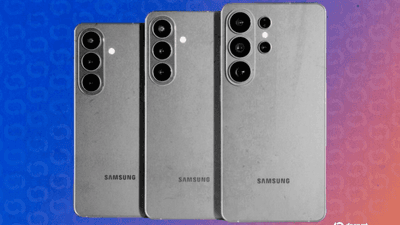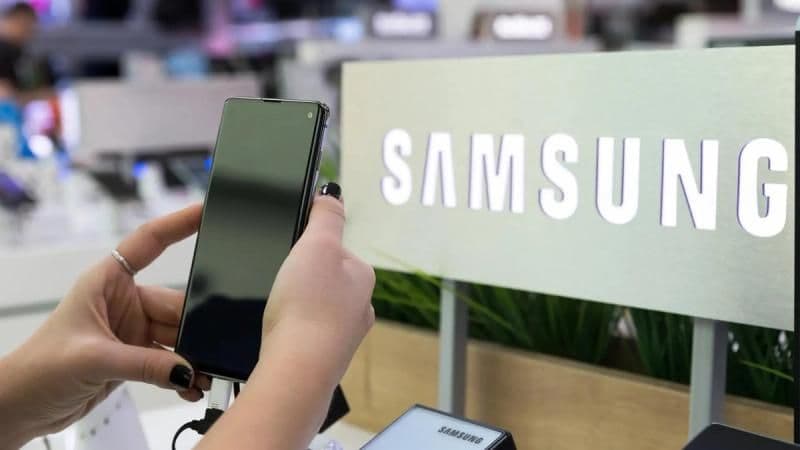
Starting in the final week of October 2026, Samsung will roll out a new cross-border payment option inside its Samsung Wallet app. The service lets qualified U.S. Galaxy users move the dollar-pegged stablecoin USDC to compatible crypto wallets or directly to bank accounts in more than 60 jurisdictions. Samsung says it will not levy any fees for transfers to external wallets, though the receiving side may incur standard network or exchange charges.
How the system works
The integration relies on a suite of partners. Coinbase will hold the USDC in its Prime Vault, providing institutional-grade custody. Bastion supplies the regulated stablecoin infrastructure that bridges the on-ramps and off-ramps. The actual blockchain layer is supplied by Solana and Sui, which together handle transaction settlement and token movement. Users fund transfers through the wallet’s built-in fiat-to-crypto gateways and must authenticate each payment with biometric data linked to their registered device.
User experience and reach
Eligibility is limited to Galaxy devices sold in the United States, covering an estimated 82 million phones. Recipients can receive the funds in local currency without ever opening a crypto wallet, as the service can route USDC to a bank account that converts the stablecoin on the fly. Samsung’s existing wallet already stores payment cards, IDs and boarding passes, so the new feature adds a remittance function without requiring a separate application.
Strategic implications
Analysts view the rollout as a potential catalyst for broader stablecoin adoption. By embedding USDC transfers in a familiar mobile interface, Samsung sidesteps the typical friction of downloading and managing crypto apps. The move also positions Samsung as a distribution channel for digital dollars, a role traditionally difficult for crypto firms to achieve on their own. Industry observers anticipate that other smartphone manufacturers may follow suit, turning everyday phones into gateways for low-cost, borderless payments.
Future outlook
Samsung has not disclosed a timeline for expanding the service beyond the United States. Further rollouts will depend on local regulatory approvals. The company has hinted at additional functionalities, such as online stablecoin payments and tap-to-pay options on eligible devices, which could further integrate USDC into everyday commerce.
Why it matters
The partnership combines the reach of a major hardware brand with the infrastructure of leading crypto custodians and blockchains. By removing fees and simplifying the user flow, Samsung could accelerate the shift of stablecoins from speculative assets to practical tools for everyday cross-border money transfers, potentially reshaping how consumers and businesses move value internationally.