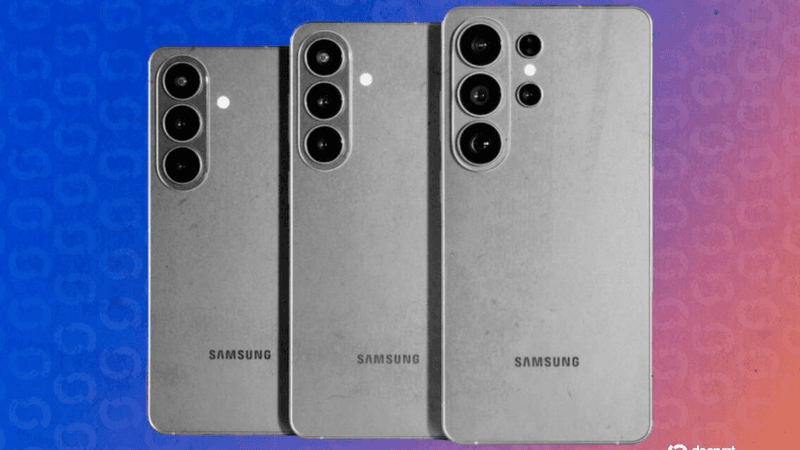
Samsung announced that its Samsung Wallet and Samsung Pay will integrate Circle’s USDC stablecoin on the Solana blockchain. The feature, scheduled to go live in the last week of October, will initially be accessible to users of 82 million Galaxy devices in the United States. A seamless fiat on- and off-ramp will handle conversion between local currencies and USDC, allowing customers to move money across borders without leaving the Samsung ecosystem.
How the integration works
The partnership leverages Solana’s high-throughput network to process USDC transactions quickly and at low cost. While the announcement confirms the use of Solana and USDC, it does not clarify whether Circle will act as a direct partner, the custody model for users’ keys, or the exact fee structure. Samsung’s digital-wallet team highlighted the goal of simplifying global money movement for everyday users, positioning the blockchain layer as invisible to the end-user.
Background and ecosystem impact
Samsung first introduced a blockchain wallet for its phones in 2019 and has gradually expanded crypto functionality, adding support for Stellar and hardware wallets, and integrating Coinbase for 75 million U.S. customers last year. The latest move follows a broader trend of major enterprises adopting Solana for stablecoin settlement; the foundation reports that PayPal, Western Union, and Visa already rely on Solana for processing USDC. In 2026, the network handled over $5.25 trillion in stablecoin volume, and the total supply of stablecoins on Solana grew by nearly 20% year-over-year.
Future expansion
The rollout is limited to the United States for now, with Samsung indicating that additional regions will be added once local regulatory requirements are satisfied. This phased approach mirrors the company’s cautious strategy for integrating emerging financial technology into its consumer products.
Why it matters
By embedding Solana’s infrastructure into Samsung’s widely used wallet, the company bridges the gap between traditional fintech and decentralized finance. Users gain access to fast, low-cost cross-border payments without needing separate crypto apps or navigating complex wallet setups. For Solana, the partnership provides a massive user base—tens of millions of devices—to drive adoption of its network and solidify its position as a leading platform for stablecoin transactions. The collaboration also signals growing confidence among established tech brands in leveraging blockchain solutions for mainstream financial services.