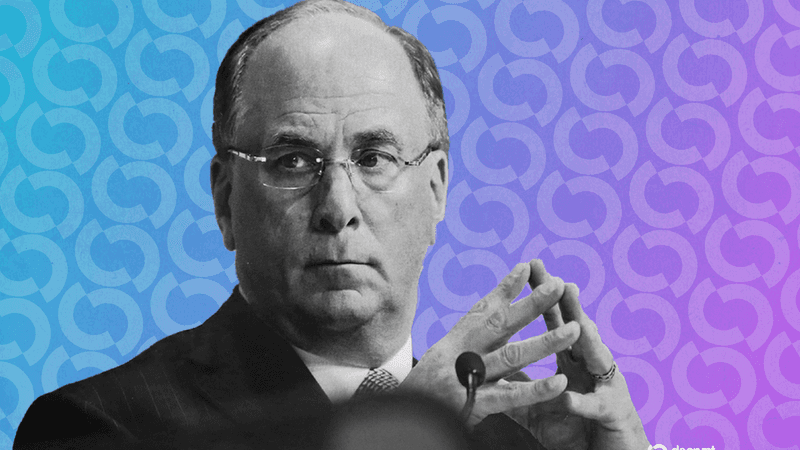
BlackRock’s chief executive, Larry Fink, told CNBC that ending the rapid expansion of data-center capacity needed for artificial-intelligence workloads would be a serious drag on the U.S. economy. He argued that the capital spending associated with AI-related facilities is now a core engine of growth, and that any large-scale pause could push the country into a recession.
Growing local opposition to data-center build-out
Across the nation, communities are pushing back against new data-center projects because of concerns over electricity consumption, water use and pressure on regional power grids. By mid-year, more than a hundred jurisdictions had adopted some form of restriction, and states such as New York and Texas have placed permits on hold. A monitoring group estimates that about $130 billion in projects were blocked or delayed in the first quarter of 2026 alone. The issue has also entered political campaigns, appearing in Senate races and prompting advertising from both opponents and supporters of the facilities.
Potential macro fallout and the crypto connection
Fink’s remarks are significant for the broader financial market because AI-related capital expenditures are projected to reach roughly $1 trillion in 2027 and exceed $5 trillion cumulatively by 2030. Those numbers represent a sizable portion of the annual GDP growth that investors and policymakers aim to sustain. BlackRock, which manages the world’s largest asset portfolio and offers a spot Bitcoin exchange-traded fund, has positioned Bitcoin as a hedge for a “frightened world.” Consequently, any macro-economic shock that could arise from a data-center slowdown is likely to affect Bitcoin’s price, which has become closely linked to overall risk sentiment.
Why it matters
The debate over AI data-center construction sits at the intersection of technology, politics and finance. A policy shift that curtails the sector could not only dampen a key growth driver but also ripple through markets that are now sensitive to macro conditions, including cryptocurrencies. Investors, regulators and industry leaders will be watching how local and federal actions evolve, as the outcome may shape both the pace of AI development and the performance of assets like Bitcoin that respond to broader economic trends.