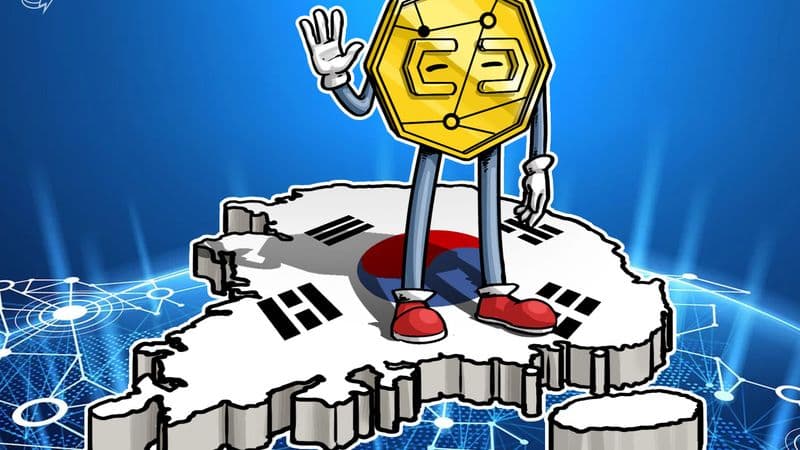
South Korean authorities are moving to reinforce cyber defenses across the financial sector after a series of attacks revealed personal data belonging to roughly 100,000 customers.
New Regulatory Framework
The Financial Services Commission (FSC) outlined a package of measures aimed at improving threat detection, increasing the frequency of security audits, and holding senior managers more accountable. Larger banks and exchange operators will be required to undergo vulnerability assessments at least twice per year, while smaller firms could see AI-driven monitoring added to existing information-sharing channels.
Companies Impacted by Recent Incidents
An industry-wide review identified shortcomings at 130 of the 555 financial entities surveyed, including 16 firms that suffered breaches. Among the affected crypto platforms were Gopax’s operator Streami and the trading service Prabang, both of which reported that a hack on October 2 disclosed customer names, contact details and identification numbers.
Enforcement Tools and Flexibility
Beyond scheduled audits, the FSC is considering the ability to launch ad-hoc inspections when an urgent risk is identified. The regulator also plans to improve data-exchange mechanisms among institutions, potentially leveraging artificial intelligence to flag suspicious activity in real time. An ongoing investigation will determine whether the recent attacks involved AI tools or were carried out by the same threat actors.
Timeline for Adoption
The FSC has not disclosed a specific rollout date, but the proposals are expected to be formalized within the coming months. Once finalized, the new requirements will apply to all qualifying financial institutions, with compliance checks beginning shortly thereafter.
Why it matters
South Korea’s financial system is a major hub for both traditional banking and cryptocurrency trading. Strengthening cyber resilience not only protects millions of consumers but also aims to restore confidence in the region’s digital asset markets, which have faced heightened scrutiny after multiple data leaks. The move signals a broader trend of regulators worldwide tightening security expectations as cyber threats become increasingly sophisticated.