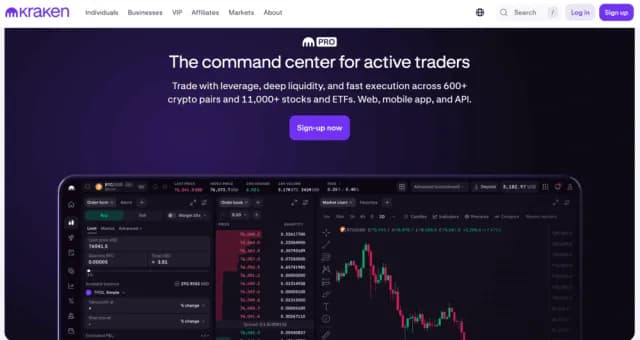
Kraken has launched a borrowing offering for U.S. customers that lets eligible users increase their purchasing power by as much as three times the value of qualifying collateral.
Product overview
The service, dubbed Kraken Borrow US, is available to qualifying accounts in 48 states. It enables users to tap into the equity of supported assets to fund additional crypto acquisitions, effectively amplifying the amount they can spend beyond their cash balance.
How the borrowing works
When a customer initiates a trade, the platform first uses any available USD, then draws on borrowed funds to cover any shortfall. The amount that can be borrowed depends on the type and value of assets pledged as collateral. Before confirming a transaction, users see the combined cost of the trade fee, borrowing fee and daily interest.
The loan does not have a fixed maturity date, nor does it require a minimum payment each period. Interest continues to accrue while the balance remains outstanding, and a decline in the collateral’s market price can trigger liquidation.
Regulatory context
Kraken positions the product within its regulated U.S. derivatives infrastructure, distinguishing it from offshore perpetual futures accounts. The move follows a broader trend of U.S. exchanges expanding leveraged and lending products despite a historically uncertain regulatory environment. Competitors such as Coinbase have also been deepening crypto-backed lending options, while regulated derivatives are gaining traction across the sector.
Potential benefits and risks
The service offers convenience by keeping spot trading, derivatives and borrowing on a single platform, potentially encouraging users to stay within Kraken’s ecosystem. However, the added leverage can magnify both gains and losses, causing portfolio values to swing more dramatically than they would with cash alone.
Why it matters
Kraken Borrow US exemplifies the gradual shift toward regulated, on-ramp leveraged products in the United States. By providing a compliant borrowing channel, Kraken aims to capture demand for higher-risk strategies while keeping users within a regulated framework, a development that could shape the future of crypto financing in the U.S. market.