Google Cloud announced a new artificial-intelligence service named Gemini Agent, designed to function as an autonomous assistant for enterprise tasks. The agent can accept a goal, operate across Google Workspace applications, and return completed work, even if the process extends beyond a single user session.
Persistent AI Assistance
Unlike typical chat-based tools that stop when the window closes, Gemini Agent continues running in Google’s cloud infrastructure. This enables it to handle multi-step projects that may require hours or days to finish, freeing users from having to keep a laptop open for the duration of the work.
Virtual Coworker Accounts
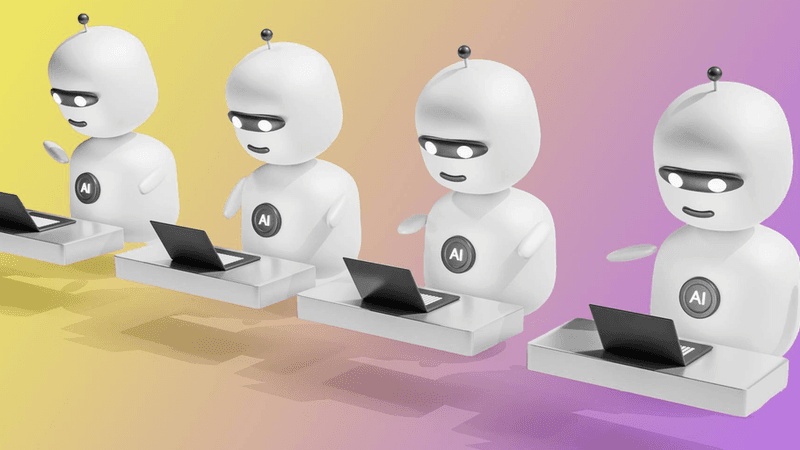
A standout feature lets administrators define “coworker agents” for specific roles such as event planning or data analysis. Each AI instance receives its own Workspace account, complete with an email address, calendar, Drive allocation and a listing in the company directory. Actions taken by the agent are recorded under this digital identity, providing a clear audit trail separate from human users.
Integration and Safety Controls
The agent connects to a range of external services, including Salesforce, ServiceNow, Jira, Snowflake and BigQuery, and can communicate with any system that supports the Model Context Protocol. Google also routes tasks to either its own Gemini models or Anthropic’s Claude models based on cost and performance considerations.
To address security concerns, every agent runs inside a dedicated sandbox environment and all network traffic is filtered through an “AI network firewall.” The sandbox isolates the AI from the broader corporate infrastructure, while cryptographic verification ensures the identity of each agent is tamper-proof.
Availability and Pricing
The Gemini Agent is currently in preview for financial-services and legal customers, with plans to expand to government, healthcare and retail sectors. Google has not disclosed pricing details or a general-availability timeline. The company noted that roughly 500 customers have each processed over a trillion tokens in the past year, and it now offers real-time spending caps that pause the agent when a preset limit is reached.
Why it matters
By giving AI the same digital credentials as a human employee, Google aims to blend automated workflows with existing corporate governance structures. If the sandbox and audit mechanisms prove effective, enterprises could rely on AI to handle routine or complex tasks without compromising security or accountability, potentially reshaping how organizations allocate labor across digital platforms.