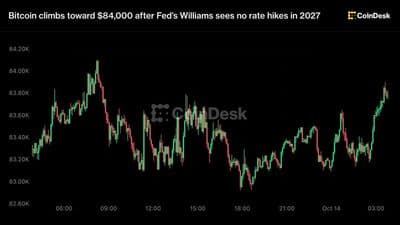
Gold, priced near $4,200 per ounce, and Bitcoin, hovering around $84,000, are frequently cited as stores of value because neither can be expanded by monetary authorities. The United States alone carries over $39 trillion in sovereign debt, with annual interest outlays approaching $1 trillion. Over the past twenty years the purchasing power of the dollar has slipped by roughly 40 percent, prompting investors to seek assets that are insulated from government-driven inflation.
A 2025 analysis in Resources Policy examined six major asset classes—developed and emerging equities, bonds, commodities, energy, and crypto—and concluded that neither gold nor Bitcoin functions reliably as a hedge or safe haven during market downturns. The study focused on behavior during drawdowns, not on the long-term preservation of purchasing power, which remains the central motive for holding either asset.
Institutional Adoption at Different Stages
Central banks continue to buy gold in record quantities, acquiring 289 metric tons in the second quarter of 2026 after a 244-ton purchase earlier in the year. This activity reflects a mature custodial and legal framework that allows sovereign entities to incorporate gold into reserve portfolios.
Bitcoin’s institutional traction is emerging through spot exchange-traded funds, which address custody concerns but have yet to achieve the same reserve-status recognition as gold. The contrast illustrates a “different stage on the same curve” rather than a direct rivalry: gold benefits from decades of infrastructure, while Bitcoin is building comparable systems for the next generation of investors.
Regulatory Moves Shape the Landscape
The European Securities and Markets Authority has issued a three-month deadline for platforms to halt trading of stablecoins that do not meet the Markets in Crypto-Assets (MiCA) standards, with national regulators tasked with resolving existing holdings. In Russia, Sberbank secured permission to list crypto assets, planning a full rollout on December 1 that will include Bitcoin, Ethereum, and Tether.
A separate security incident surfaced when a covert chip embedded in resold hardware wallets siphoned recovery phrases, potentially exposing more than $90 million across hundreds of wallets. Meanwhile, Thailand’s stock exchange will, from October 16, permit domestically listed Bitcoin and Ether ETFs provided that at least 80 percent of the fund’s assets track the respective token and custodial arrangements meet regulatory standards.
Standard Chartered announced the launch of an institutional custody service for Ripple’s stablecoin (RLUSD) in Dubai, enabling qualified clients to hold the token and use it as collateral on the LMAX platform, pending further approvals.
Market Dynamics Beyond the Headlines
The “debasement trade” narrative is gaining traction, framing gold and Bitcoin as complementary safeguards rather than competing bets. Portfolio managers are now tasked with determining the optimal mix of these assets to counteract eroding fiat value, weighing Bitcoin’s higher volatility against gold’s proven stability.
Additional market signals include the rebound of the CHIP token after a strategic shift by USD.AI toward a loan-factory model, highlighting how innovative financing structures can revive activity in niche crypto projects.
Why it matters
Understanding the parallel rise of gold and Bitcoin as anti-inflation tools clarifies how institutional capital is reallocating amid sovereign debt pressures and tightening regulatory oversight. The convergence of scarcity-driven demand, evolving custodial solutions, and stricter stablecoin rules suggests that the next phase of crypto adoption will be defined by integration with traditional finance rather than outright displacement.