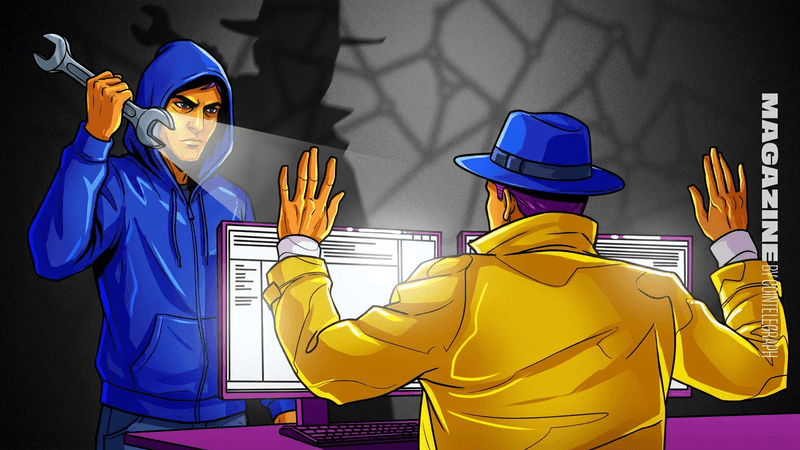
In the first seven months of 2026, French officials documented ninety cases of kidnapping, extortion, threats or violent theft involving cryptocurrency owners, a rate that translates to one incident roughly every two and a half days.
Scale of the problem
The interior ministry disclosed that, between January 1 and mid-August, authorities made 223 arrests and placed 126 individuals in custody. Independent monitoring firms recorded fewer incidents – Chainalysis listed thirty publicly known attacks, while Gart.io logged seventy-three – but both acknowledge that the true figure is almost certainly higher. Compared with the United States (66 attacks) and the United Kingdom (27), France now tops the global list.
Underlying drivers
Analysts point to recent large-scale data leaks as a catalyst. A 2024 breach at the French tax authority exposed personal, financial and crypto-holding information of many taxpayers. A subsequent breach in January 2026 at the crypto-tax reporting service Waltio affected around fifty thousand users. The leaked data revealed not only wallet balances but also home addresses, giving criminals the means to locate and target owners directly.
Who is being targeted?
Victims are overwhelmingly French residents – roughly ninety-three percent – and the profile of those attacked differs from the global norm. While worldwide about a quarter of violent crypto incidents involve relatives or acquaintances, in France that share exceeds forty percent. High-profile examples include an attempted abduction of the co-founder of The Sandbox’s wife in May 2026, and multiple break-ins at a rural property previously owned by crypto millionaires in August 2026. In 2025, a crypto entrepreneur’s father was seized in Paris, his finger severed and sent to his son as a ransom warning.
Law-enforcement response
French authorities have classified these offenses as organized crime and placed investigations under the jurisdiction of JUNALCO, the specialized unit for complex criminal networks. The coordinated approach reflects concerns that the attacks are not isolated robberies but part of a broader, data-driven criminal ecosystem.
The limits of technical security
Typical crypto-security practices – seed-phrase protection, hardware wallets and phishing avoidance – safeguard digital assets but cannot stop a burglar who already knows the victim’s identity and location. The prevalence of inexpensive tools such as wrenches underscores the physical dimension of the threat.
Why it matters
The French situation illustrates how breaches of personal and financial data can translate into real-world violence against crypto owners. As governments tighten reporting requirements, the balance between transparency and privacy becomes critical; insufficient safeguards may expose users to dangerous targeting, prompting a reassessment of regulatory frameworks and security protocols across the industry.