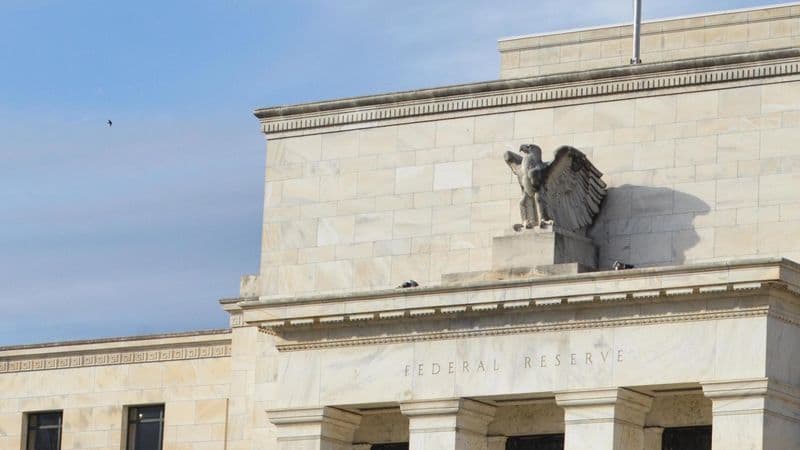
The Federal Reserve announced two draft rules on Thursday aimed at fulfilling its share of the multi-agency effort required by the Guiding and Establishing National Innovation for U.S. Stablecoins (GENIUS) Act. The proposals, now open for a 60-day public comment period, seek to create a legal safety net for stablecoin issuers and to detail how banks under Fed supervision can launch their own tokens.
Capital, reserves and redemption safeguards
The first set of rules focuses on capital and liquidity standards. It requires that stablecoins be fully backed by highly liquid assets and that issuers maintain sufficient reserves to meet redemption demands, even under stressed market conditions. Fed Governor Michael Barr emphasized that stability hinges on the ability to redeem tokens at par promptly, regardless of broader market turbulence.
Narrowly defined reward programs
A second component of the draft addresses the contentious issue of stablecoin rewards. The Fed proposes that arrangements involving third parties that resemble interest or yield payments be presumed prohibited, aligning the approach with a recent proposal from the Office of the Comptroller of the Currency (OCC). This narrow interpretation would limit crypto platforms to offering reward structures similar to traditional credit-card incentive programs, rather than direct interest on holdings.
Procedure for banks to issue stablecoins
The second rule set outlines the steps a regulated bank must follow to issue stablecoins. Applicants would need to submit a comprehensive business plan, detailed financial statements, and relevant policies and procedures. The requirement mirrors broader agency efforts that began with the FDIC’s December guidance and the Treasury Department’s recent definition of U.S. stablecoin issuers.
Public comment and timeline
Both proposals are subject to a 60-day comment window, after which the Fed will consider feedback before finalising the regulations. Historically, the rule-making process can extend over several months, potentially longer if substantive revisions are required. The drafts arrive well after the GENIUS Act’s original July 2026 deadline, reflecting a staggered rollout across federal regulators.
Industry impact
The proposals arrive amid ongoing debate over stablecoin incentives, notably the failed Digital Asset Market Clarity Act, which had sought to adjust the legal framework for such rewards. With the GENIUS Act now the primary legislation governing stablecoin remuneration, the Fed’s drafts could shape how platforms like Coinbase structure user incentives. Moreover, the capital and reserve standards may influence the design of future stablecoins, pushing issuers toward tighter liquidity management.
Why it matters
The Federal Reserve’s draft rules represent a concrete step toward integrating stablecoins into the regulated financial system. By defining capital buffers, redemption guarantees, and permissible reward mechanisms, the proposals aim to protect consumers and preserve market stability while giving banks a clear pathway to participate in the stablecoin space. The public comment period will be crucial in determining the final shape of U.S. stablecoin regulation.


