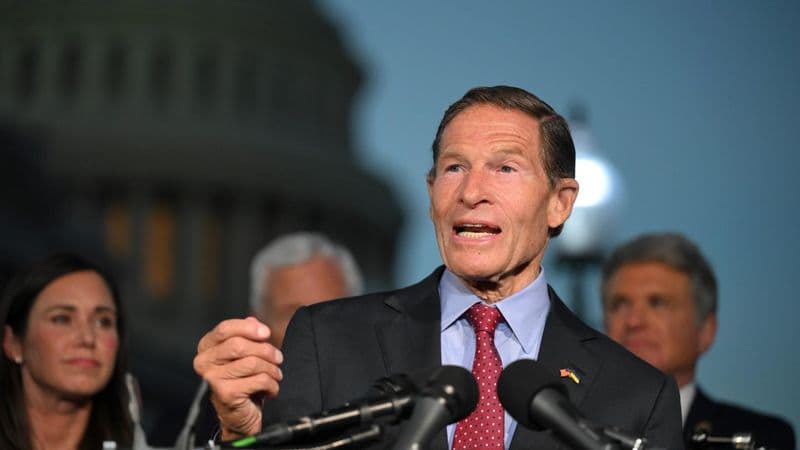
A new document released by Senate Democrats on the Homeland Security and Governmental Affairs Committee’s intelligence subcommittee alleges that the dollar-pegged stablecoin USDT has become a critical conduit for the Iranian government to move funds around the world despite sanctions. The report states that Iran’s “shadow banking” network built on cryptocurrencies processes large volumes of money and that Tether has repeatedly failed to block wallets linked to the regime. According to the senators, Iranian actors moved roughly $2 billion through USDT last year, using the token to fund activities that would otherwise be blocked by international restrictions.
Tether’s Counter-measures and Reported Actions
In a blog entry published the same day, Tether’s chief executive, Paolo Ardoino, said the firm has taken steps to freeze assets tied to Iran, citing “nearly $550 million in Iran-related freezes.” Ardoino emphasized that the company works closely with U.S. and global authorities to identify and immobilize illicit funds. The statement also noted that when the firm does act, the process can take weeks, and at times it complies with requests without formally blacklisting the addresses involved.
Broader Implications for the Crypto Industry
The senators’ analysis frames the Iranian case as a symptom of a larger problem: that cryptocurrencies can undermine efforts by the United States and allies to curb regional terrorism financing. The report points to a shift by groups such as Hamas, which have moved from using Bitcoin to favoring USDT for its perceived stability and ease of transfer. While the document does not provide a total figure for all illicit USDT flows, the highlighted $2 billion estimate for Iran alone underscores the scale of the issue.
Regulatory Pressure Mounting
The findings arrive at a time when lawmakers are intensifying scrutiny of stablecoins, a sector that has increasingly intersected with regulated finance. Calls for stricter compliance standards and more proactive monitoring of high-risk wallets are likely to grow louder, especially as the Treasury and other agencies consider new rules aimed at preventing sanctions evasion. Tether’s admission of substantial freezes may serve as a partial defense, but the report suggests that past lapses—particularly before 2024—have allowed malicious actors to exploit the platform.
Why it matters
If the Senate’s conclusions hold, they could trigger tighter regulatory requirements for stablecoin issuers, compelling them to adopt faster and more comprehensive wallet-screening procedures. Such changes would affect not only Tether but the broader ecosystem of dollar-pegged tokens that serve as a bridge between traditional finance and crypto markets. The episode also highlights the geopolitical stakes of digital assets, showing how a single token can become a strategic tool for sanctioned states.
What to watch next
Stakeholders will be watching for any legislative proposals stemming from the report, as well as how Tether and other stablecoin providers adjust their compliance frameworks. The outcome may set a precedent for how the U.S. addresses the intersection of crypto innovation and national security concerns.