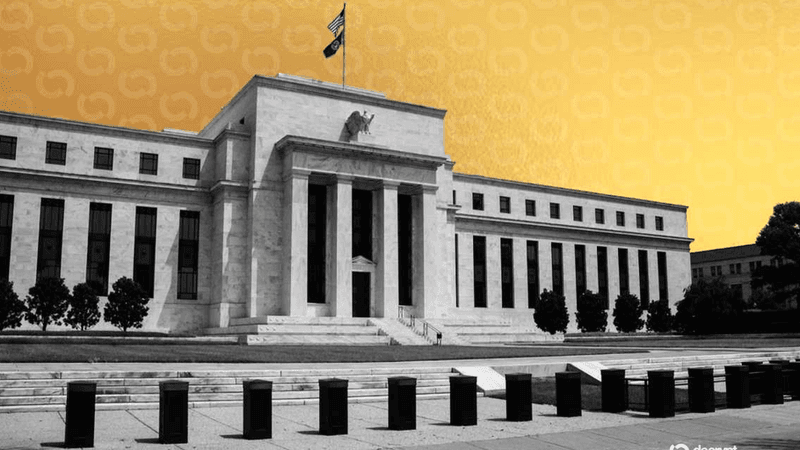
The Federal Reserve announced two regulatory proposals aimed at dollar-pegged stablecoins that operate under its supervision. The rules seek to ensure that each token is redeemable at face value by mandating full collateralization with safe, liquid assets and by imposing uniform capital and risk-management requirements.
Reserve Backing and Capital Standards
The first proposal directs that all reserves for board-supervised payment stablecoins be held exclusively in permissible holdings, such as short-duration Treasury securities and other high-quality liquid instruments. In addition, issuers would be required to maintain standardized capital cushions designed to mitigate credit and operational exposures. The rule also outlines expectations for firms that safeguard the backing assets, establishing clear safekeeping standards.
Licensing Path for Banks
A separate proposal introduces a tailored application framework for banks that wish to issue payment stablecoins. Applicants must submit a detailed business plan, financial statements, and other relevant information. The framework also defines procedures for hearings, appeals, and final decisions, creating a more transparent licensing pathway.
Public Comment Period
Both proposals are open for public comment, with the comment window closing 60 days after their publication in the Federal Register. Stakeholders—including industry participants, consumer groups, and other regulators—are invited to provide feedback before the rules are finalized.
Coordination with Other Agencies
These Fed initiatives complement ongoing efforts by the Office of the Comptroller of the Currency, which plans to issue its own stablecoin guidance by November, and the Treasury Department, which has proposed restrictions on non-compliant tokens for U.S. customers. All actions are part of the broader rollout of the GENIUS Act, the stablecoin framework enacted in July 2025.
Why it matters
By insisting on full-reserve backing and introducing a rigorous licensing process, the Federal Reserve aims to bolster confidence in stablecoins used for trading, cross-border payments, and liquidity management. The rules are intended to protect the peg to the U.S. dollar, reduce systemic risk, and align digital token operations with traditional banking oversight. As stablecoins become more embedded in the financial system, these measures could shape the future interaction between crypto assets and regulated financial institutions.


