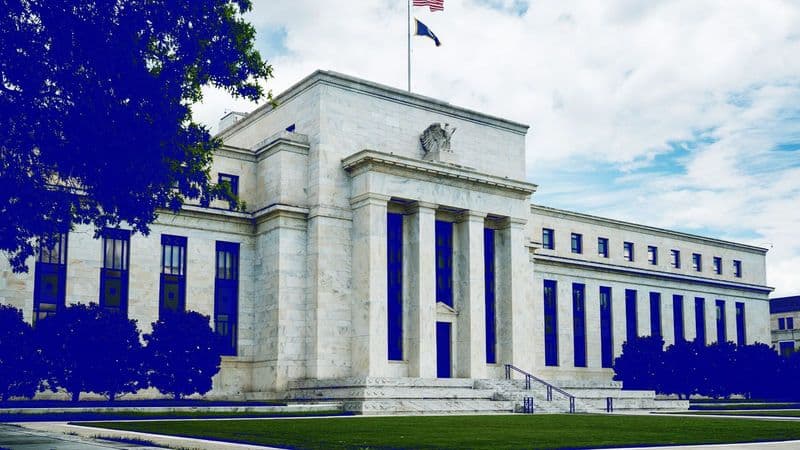
The Federal Reserve’s latest proposal mandates that any entity issuing a payment-stablecoin keep a 1:1 backing of each token with short-term U.S. Treasury securities or other assets that can be quickly liquidated. This move is intended to ensure that stablecoins remain fully collateralized with highly liquid, low-risk instruments, reducing the chance of a liquidity shortfall.
Capital Standards and Application Process
In addition to the backing rule, the Fed seeks to impose a uniform set of capital requirements on stablecoin issuers. The framework would define minimum capital buffers and risk-management standards, mirroring requirements applied to traditional banks. A distinct application pathway is also outlined for banks that wish to obtain board supervision before they can issue stablecoins, creating a clear regulatory route for institutions already under Federal Reserve oversight.
Legislative Background and Timeline
These proposals are part of the broader effort to operationalize the Guiding and Establishing National Innovation for U.S. Stablecoins (GENIUS) Act, signed into law by the former president last year. The legislation requires stablecoins to be fully dollar-backed, subject to annual audits, and to operate within a federal regulatory regime. While the initial rollout deadline was set for July, the agencies have indicated that the schedule may shift, with the law itself stipulating a January 2027 effective date for the rules.
Oversight Concerns
Federal Reserve Governor Michael Barr, who has previously expressed reservations about aspects of the GENIUS framework, voiced support for the current proposal but called for stronger anti-money-laundering safeguards. Barr highlighted the need for a clear standard that would prevent the Board from taking enforcement action on AML deficiencies unless the issue is deemed “significant or systemic.” He warned that ambiguous thresholds could limit the Board’s ability to enforce compliance effectively.
Why it matters
The Fed’s proposal marks a concrete step toward federal oversight of the rapidly expanding stablecoin market in the United States. By tying stablecoins to short-term Treasuries and establishing uniform capital expectations, regulators aim to curb systemic risk and protect consumers. The inclusion of a dedicated application process for banks could also encourage traditional financial institutions to enter the stablecoin space under a regulated framework, potentially reshaping how digital dollars are issued and used in commerce.
The upcoming rules, if finalized, will set the baseline for how stablecoins operate in the U.S., influencing market dynamics, compliance costs, and the overall stability of the digital asset ecosystem.


