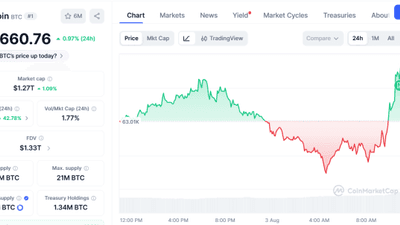
Bitcoin’s most recent bear phase erased about 55% of its value from the October 2025 peak. While a decline of that magnitude would be severe in most markets, it is comparatively gentle against historic Bitcoin corrections that have wiped out 70% to more than 80% of value. For reference, the 2021-22 crash erased roughly three-quarters of the asset’s price after it topped nearly $69,000.
Institutional influence and rebalancing
The introduction of spot exchange-traded funds in early 2024 opened a familiar channel for advisers and professional money managers to allocate Bitcoin. Analysts note that these investors typically cap exposure to a small percentage of a broader portfolio—often around 2%—whereas retail participants may concentrate far larger portions of their capital in the cryptocurrency. This allocation difference means a 50% price drop translates to a modest 1% hit for a professionally managed portfolio, but a far larger impact for a retail-heavy holder.
Rebalancing practices compound this effect. When Bitcoin’s price slides, advisers may purchase additional shares to restore the target weighting, providing buying pressure at lows. Conversely, if the price surges and the holding exceeds the intended share, the same advisers may trim positions, adding supply to the market. This dynamic can smooth out extreme sell-offs while also tempering the size of rapid rallies.
Scale and holder composition
Bitcoin’s market capitalization has risen back to roughly $2 trillion, a level that demands substantially more capital to double compared with the early-stage market when the total value was measured in the low billions. The sheer size makes the kind of exponential moves seen in the asset’s infancy increasingly unlikely.
The composition of Bitcoin’s holders also contributes to reduced volatility. Of the approximately 20 million coins in circulation, analysts estimate that four to five million are effectively lost, while another six to seven million are not actively traded. The remaining supply is largely held by long-term owners who have endured multiple cycles and tend to be reluctant to sell during another downturn. This deep, seasoned base acts as a stabilizing force.
Outlook for future cycles
With institutional participation becoming a permanent feature and the asset’s scale continuing to grow, market observers anticipate that future bear markets will be less severe and bull runs less explosive. The trade-off is a moderation of returns; while volatility is declining, the upside potential may also be more muted. Nevertheless, the trend suggests a maturing market where price swings are increasingly governed by traditional portfolio management practices rather than speculative extremes.
Why it matters
Understanding the shifting dynamics of Bitcoin’s price behavior is crucial for investors, regulators, and market participants. A calmer volatility profile could lower systemic risk, attract a broader range of capital, and influence how financial products tied to the cryptocurrency are structured. At the same time, the moderation of dramatic price moves may reshape expectations around Bitcoin’s role as a high-growth asset class.