Gamers are leveraging AI agents built on Anthropic’s Claude model to generate code that fuses two distinct titles into a single playable experience. By describing the desired outcome and iteratively refining the AI’s output, modders can produce functional cross-overs within a few hours, a process the community refers to as “vibe coding.”
How the mashup workflow operates
The technique relies on a “passthrough mod” approach documented on GitHub. One game supplies the world geometry while the other provides player controls and combat mechanics. The AI receives prompts, drafts the integration code, and the user tests and tweaks the result until the two engines interact smoothly. Creators report that merging complex titles such as Elden Ring and Spider-Man can be completed in three to four hours, although early builds often require polishing.
Notable cross-overs that have gone viral
- Skate meets Call of Duty – A mod lets players perform skate tricks on modern warfare maps, prompting social-media users to anticipate “trick-shot” videos.
- Minecraft in Elden Ring – This blend introduces 1,600 Minecraft items, redstone circuitry, and the ability to summon mobs with eggs, allowing creepers to battle Elden Ring’s boss Malenia. The creator has not released the mod publicly and is working on a Windows version.
- Spider-Man swinging through Gotham – By overlaying Marvel’s hero onto the DC cityscape, the mod generated jokes about potential DMCA takedowns.
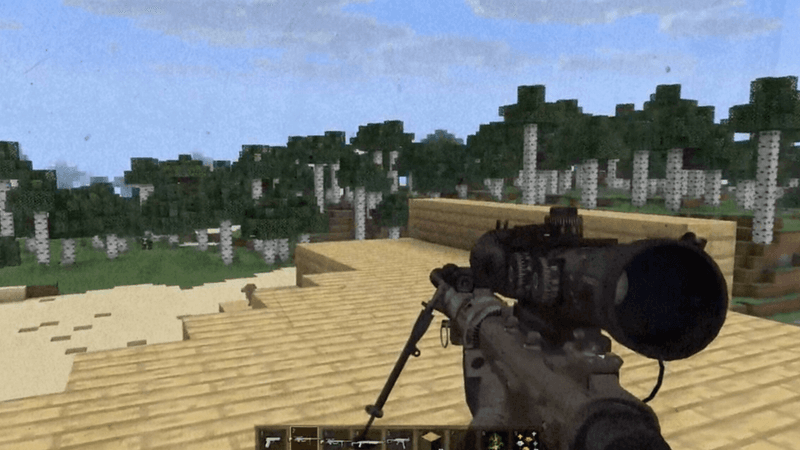
- Call of Duty weapons in Minecraft – A creator equipped villagers with the Intervention sniper rifle, achieving a 25-kill streak before deploying an in-game nuke.
- Mario Kart in Call of Duty Zombies – Players race kart-style vehicles while using bananas to knock out zombies, a mashup that sparked humor about outpacing upcoming titles like GTA 6.
Legal and ethical considerations
The rapid creation of these hybrid experiences raises questions about intellectual property. Some mashups combine characters and assets from competing franchises, prompting concerns over copyright infringement. While many modders share their work informally, the lack of official licensing could lead to takedown notices or legal challenges if the projects gain wider distribution.
Community impact and future prospects
The ability to prototype cross-genre gameplay quickly has energized the modding scene, with creators describing it as one of the most exciting developments in gaming in over a decade. The ease of generating functional code may lower barriers for indie developers and inspire new forms of interactive entertainment. However, the sustainability of this model will depend on how platforms and rights holders respond to the proliferation of AI-generated content.
Why it matters
AI-driven modding tools are expanding the boundaries of what gamers can create, turning imaginative concepts into playable reality within hours. This democratization of game development could spawn fresh gameplay ideas and new business models, but it also forces the industry to confront the legal implications of AI-generated mashups.