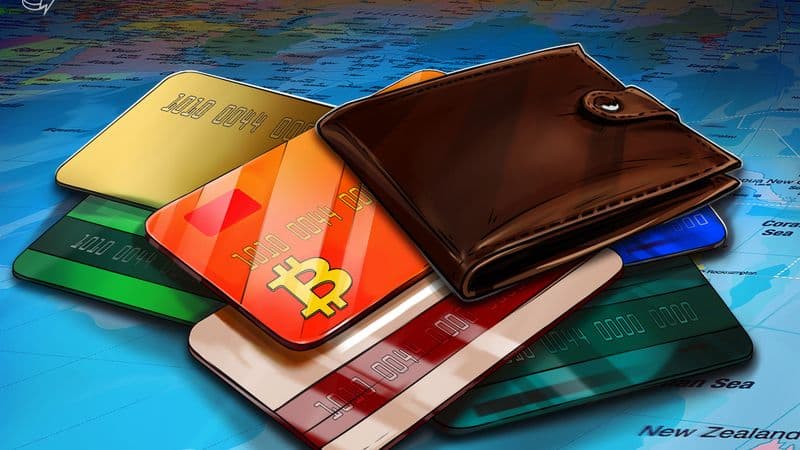
Tangem announced on Wednesday the release of its first physical Visa-branded card that can be used for in-store purchases, online payments and ATM withdrawals. The initial run is limited to 5,000 cards, and users can load the card straight from their self-custodial Tangem wallet, moving funds back if the card is ever suspended or closed.
According to Andrey Ilinskiy, head of Tangem Pay, the decision of where to offer the card is not driven solely by user interest. He said availability depends on where demand, regulation, banking infrastructure and card-issuing requirements intersect, and those factors do not always line up. The company reported that more than 40% of Tangem Pay payment volume originates in Latin America, with over 30% coming from the United States, yet physical card distribution remains patchy in many markets.
Tangem said it cannot currently ship the card to about 20 jurisdictions, naming China, Russia, North Korea and Palestine among them. The firm stressed that these limits are not necessarily a reflection of crypto-specific regulations; instead, they arise from Know Your Customer obligations, international sanctions, local banking rules and the compliance standards of card issuers. It added that the same conditions that can spur demand for crypto as an alternative financial rail can also make the launch of regulated payment products more complicated.
As an incentive, Tangem is introducing cashback rewards paid in Circle’s USD Coin stablecoin. Basic tier users will earn 1% on eligible purchases, while Plus tier users receive 2%. The company plans to display the first physical Tangem Pay cards at the Token2049 conference in Singapore.
Why it matters
The launch highlights a growing gap between consumer enthusiasm for crypto-linked payment tools and the practical obstacles of bringing such products to market. While demand is strong in regions like Latin America and the United States, regulatory and banking constraints continue to limit where firms can actually issue and distribute physical cards. This tension may shape how quickly crypto-based payment solutions can scale globally.