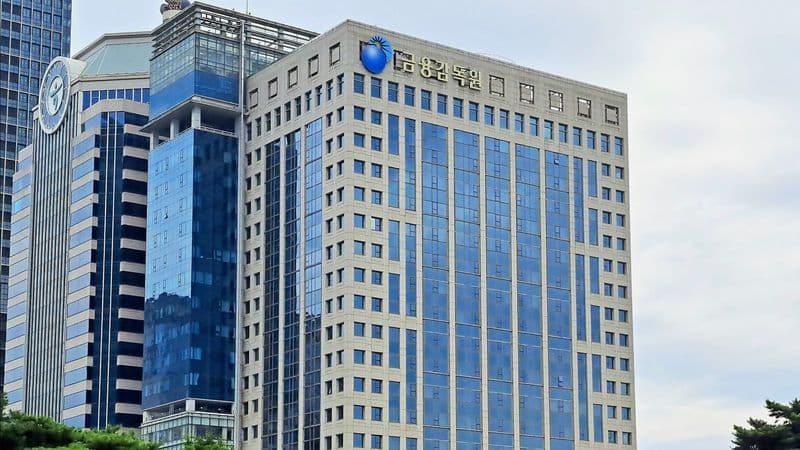
South Korean authorities have moved to block the online portals of 27 foreign cryptocurrency exchanges, widening a previous restriction that targeted their mobile applications.
Background of the crackdown
The Financial Intelligence Unit (FIU) announced that, after a review in early October, the Korea Communications Standards Commission approved the website blocks. This action follows a series of measures taken last year when Google and Apple were instructed to remove the apps of unregistered platforms from their stores.
Scope of the website blocks
The blocked sites are operated from abroad, and the FIU indicated that any domestic operations will face termination of services. The list includes well-known platforms such as KuCoin, BitMart and MEXC, among others. The regulator did not give a timeline for how long the restrictions will remain in place, nor a deadline for the exchanges to attain registration.
Compliance requirements and impact
To serve South Korean customers legally, an exchange must register with the FIU and meet the nation’s security and anti-money-laundering (AML) criteria. Currently only 28 virtual-asset service providers hold such registration. The FIU warned that users of unregistered services could encounter difficulties retrieving their funds and urged investors to verify an exchange’s registration status.
Response from exchanges
KuCoin issued a statement emphasizing adherence to applicable laws and noting that user assets remain protected, while promising updates through official channels. BitMart, Phemex and MEXC did not immediately comment on the development.
Potential implications
The restriction closes a major access route for South Korean traders, who have been moving significant capital overseas; an estimated $110 billion left domestic exchanges in 2025. The FIU also referred 44 unregistered operators to investigators and signaled intent to block any sites that reappear under new addresses. Ongoing legislative work, such as the proposed Digital Asset Basic Law, could further shape the regulatory landscape for digital assets in the country.
Why it matters
The expanded blockade underscores South Korea’s determination to enforce compliance among foreign crypto providers, aiming to safeguard investors while tightening AML controls. At the same time, the measures may accelerate the outflow of capital to jurisdictions with looser oversight, influencing the global distribution of crypto liquidity.