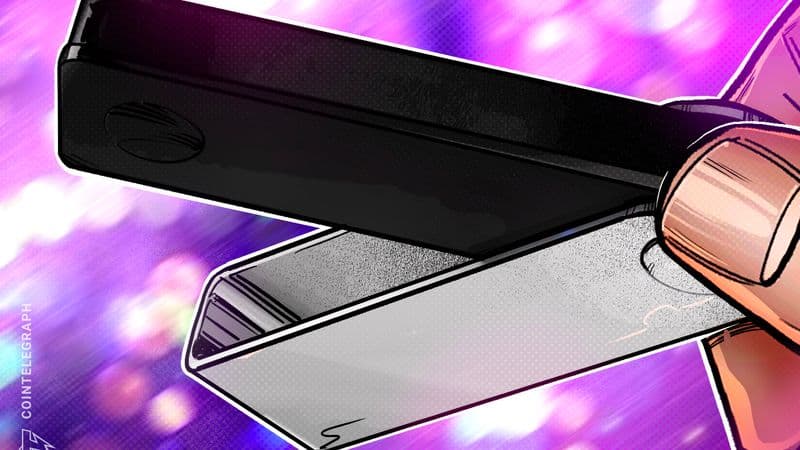
Ledger has instructed its distributors in six Southeast Asian countries and Hong Kong to cease selling its hardware wallets and to clear existing inventory, as the firm probes reports of compromised devices.
Scope of the sales suspension
The directive covers retailers operating in Indonesia, Singapore, Thailand, the Philippines, Vietnam, Malaysia and Hong Kong. The request was posted on Ledger’s X account on Tuesday and expands a prior order that targeted a single reseller, CryptoBilis, to stop shipments after a theft linked to its devices became public on Oct. 9.
Investigation details
Ledger says the only verified incidents involve devices sold in the affected regions; no confirmed losses have been linked to wallets bought elsewhere. The company has not identified the party responsible for the alleged tampering nor the point in the supply chain where the alteration occurred. It also notes that its internal systems, services and direct-sale channels show no signs of compromise.
Impact on users and the broader market
Customers who purchased Ledger wallets from the listed retailers are being urged to examine their devices for signs of tampering. While the company has not reported any confirmed drains outside the Southeast Asian cases, users in Europe have reported suspicious alterations in devices bought from local merchants. Ledger’s move to pull products from shelves aims to contain the issue while preserving confidence in its brand.
Why it matters
Hardware wallets are a cornerstone of crypto security, and any breach can undermine trust in the ecosystem. By quickly halting sales and investigating the supply-chain breach, Ledger seeks to limit potential financial losses and demonstrate that its core infrastructure remains intact. The episode also highlights the risks inherent in third-party distribution networks for high-value security products.
Next steps
Ledger has pledged to continue its investigation and will update the community as more information becomes available. Users are advised to monitor official communications and to follow best practices for verifying the integrity of their hardware wallets.