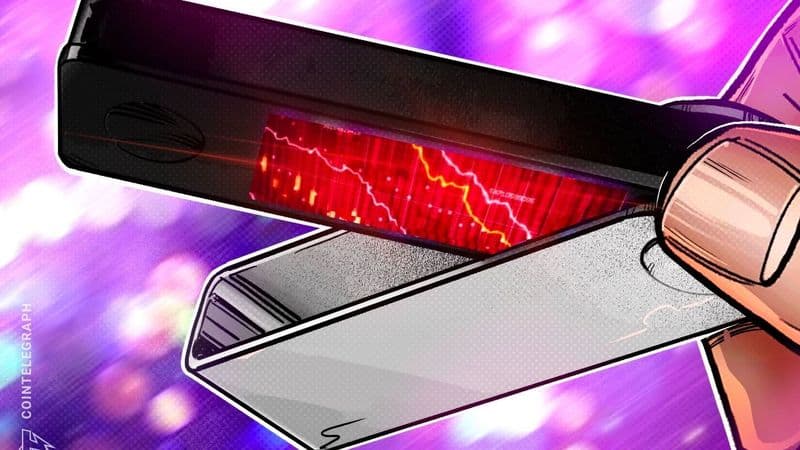
A recent security breach involving a Ledger hardware wallet revealed an unauthorized implant that could have resulted in losses estimated at more than $86 million. The incident has reignited discussions about the relative safety of cold-storage devices compared with custodial products such as Bitcoin exchange-traded funds (ETFs).
Shift toward ETFs
The exploit has prompted some high-profile Bitcoin investors to reaffirm their earlier decisions to move holdings into ETFs. One analyst, known for a controversial 2025 move, posted on social media that he has “zero regrets” about the shift, noting that the recent hardware failures validate his strategy.
Industry perspectives
21Shares co-founder Ophelia Snyder explained that large holders have long preferred ETFs for the perceived security they offer, and the latest hardware incidents have pushed the topic into mainstream conversation. She emphasized that the security of self-custody hinges heavily on an individual’s technical skill and the rigor of the setup process, arguing that a professional custodian can manage protocols more reliably.
Blockstream chief executive Adam Back echoed the sentiment that hardware wallets remain viable but urged manufacturers to adopt more robust threat-modeling practices. He highlighted that many vendors have historically overlooked generic attack vectors, suggesting a need for industry-wide upgrades in design and marketing.
Bitcoin security researcher Jameson Lopp added nuance, stating that while self-custody can be a strong option, a rapid, large-scale migration to any single solution could create new centralized points of failure. He warned that panic-driven moves might undermine the very security benefits users seek.
Why it matters
The Ledger incident underscores a growing tension between decentralized self-custody and institutional-grade custodial products. As the Bitcoin ecosystem matures, the balance between personal responsibility and professional management will shape investor behavior, regulatory scrutiny, and the development of future security standards.