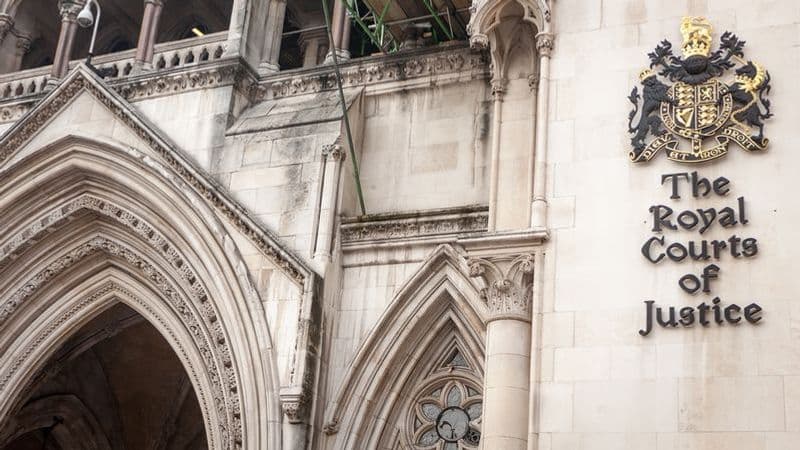
DWF Labs’ investment subsidiaries have taken custody provider BitGo to the London High Court, alleging the firm sold privately-issued Falcon Finance (FF) and ESPORTS tokens before the agreed lock-up period ended. The plaintiffs claim the early sales caused sharp price drops and are pursuing more than $100 million in compensation.
Legal claim and damages sought
The lawsuit, filed by British Virgin Islands-registered DWF Maas and Panama-based Falcon Digital, contends that BitGo breached contractual lock-up terms that required the tokens to remain unsold for three months after purchase. According to the filing, BitGo moved the tokens to exchanges roughly two months before the first unlock, prompting the plaintiffs to seek $114 million in damages. The amount reflects the alleged direct losses from the subsequent price declines.
Token price impact
Falcon Finance tokens opened the lock-up period in early March at about $0.08 each and fell to roughly $0.07 by late April. ESPORTS tokens, which started at approximately $0.28 in mid-March, dropped to $0.07 by early June. DWF attributes these declines to BitGo’s premature sales, arguing that the discounted purchase price was contingent on the tokens staying locked.
Background on the parties
DWF Labs is a market-making firm whose subsidiaries, DWF Maas and Falcon Digital, manage private-sale investments. The firms recently bought $25 million of WLFI tokens, the native asset of World Liberty Financial, a project linked to former U.S. President Donald Trump and his family. The investment attracted attention from U.S. lawmakers due to founder Andrei Grachev’s past role as head of Huobi’s Russian operations, a platform that has faced sanctions for facilitating Russian evasion of Western measures.
BitGo’s response and broader context
BitGo, a prominent cryptocurrency custodian, has not publicly commented on the allegations. The case underscores a growing trend of litigation targeting custodial firms over compliance with private-sale lock-up agreements, a practice commonly used to protect early investors from immediate token dumping.
Why it matters
The dispute brings heightened focus to the responsibilities of custodial services in upholding contractual terms for private token sales. As regulators worldwide examine crypto custody standards, high-profile cases like this may influence future contractual drafting, enforcement mechanisms, and the overall trust placed in custodians by institutional investors.